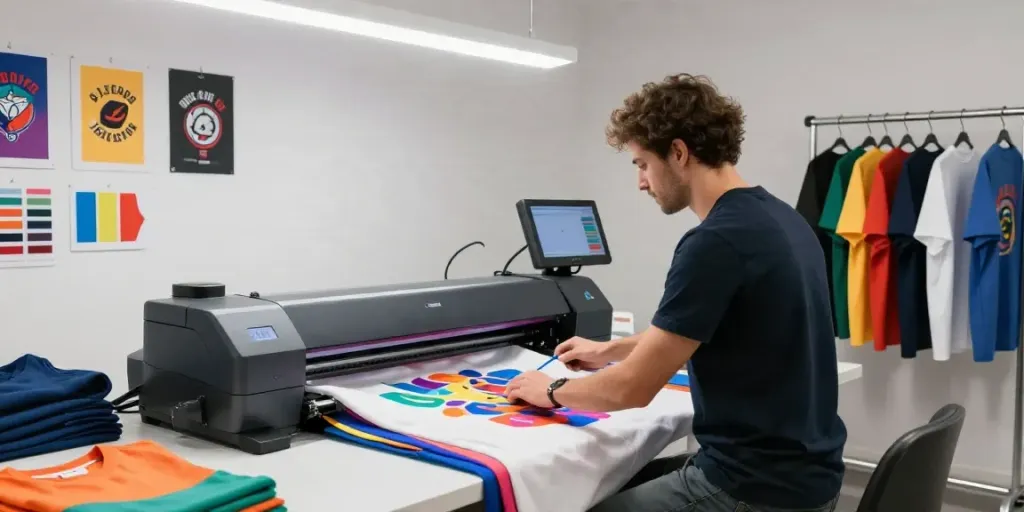
Understanding Impresora de Camisetas Technologies
When it comes to the world of custom apparel production, understanding the various technologies involved in impresora de camisetas is crucial. This guide will dive into various printing methods, comparing Direct to Film (DTF) and Direct to Garment (DTG) technologies, and examining how they fit into the needs of small businesses looking to innovate and grow.
What is Sublimation Printing?
Sublimation printing is a popular method for creating vibrant and long-lasting designs on T-shirts. It uses heat to transfer dye onto materials, primarily polyester fabric. The process involves printing a design onto special transfer paper, which is then placed on the fabric. When heat is applied, the dye sublimates, turning from solid to gas, and bonding with the fabric fibers.
This method is particularly advantageous for high-volume production where clarity, color accuracy, and durability are paramount. Sublimation printers, especially those from manufacturers like Procolored, offer exceptional image clarity, faster print speeds, and the flexibility to cater to various fabric types.
DTF vs. DTG Printing Explained
DTF and DTG printing are both modern techniques that serve different purposes in the apparel printing market. DTG printing involves printing directly onto the T-shirt fabric, ideal for complex, multicolored designs. It offers high-quality prints with excellent color reproduction but may require pretreatment of the garment for optimal results.
On the other hand, DTF printing utilizes a different approach. It involves printing a design onto a special film, which is then transferred to the garment using heat. DTF allows for better adherence to a variety of fabrics and is particularly suited for small to medium-sized production runs. This method is increasingly favored by businesses due to its flexibility with fabric types and ability to produce vibrant prints.
Choosing the Right Technology for Your Business
Selecting the right printing technology for your custom T-shirt business depends on several factors, including your target audience, budget, and production volume. For businesses just starting, DTG might be the way to go due to its ease of use and color vibrancy. However, for those looking to scale, DTF offers an economical option without compromising quality.
It's essential to weigh the benefits against your specific needs. Consider the types of fabrics you plan to work with, the complexity of your designs, and your expected order volume.
Benefits of In-House Shirt Printing
Having an in-house printing solution not only saves time but also enhances your ability to meet customer demands swiftly and effectively. Producing T-shirts yourself gives you complete control over the quality and creative process, leading to numerous benefits for your business.
Speed and Efficiency of Production
One of the most significant advantages of in-house T-shirt printing is the increased speed of production. With a dedicated impresora de camisetas, small businesses can quickly fulfill orders, reduce lead times, and respond to market trends in real-time.
For example, a small business specializing in on-demand apparel can process orders as they come in, allowing for a lean inventory model that minimizes waste and maximizes profit margins.
Quality Control and Design Flexibility
In-house production enables stringent quality control, ensuring every T-shirt meets your standards before it reaches the customer. Additionally, it allows for immediate design adjustments based on customer feedback or shifting market trends. This flexibility can significantly enhance customer satisfaction and encourage repeat business.
Cost Savings on Orders and Material Usage
Producing T-shirts in-house can lead to substantial cost savings over time. Businesses can avoid outsourcing and associated fees, especially for small batch orders. Moreover, with a sublimation printer, material waste can be drastically reduced, allowing more efficient use of inks and substrates. This efficiency translates into lower costs and higher profit margins.
Key Considerations When Buying an Impresora de Camisetas
Investing in an impresora de camisetas can seem daunting, but understanding key considerations will guide you in making the right decision. Here are some aspects to keep in mind while selecting your printing technology.
Investment Costs vs. Long-term Gains
The initial investment for a sublimation printer or any other type of T-shirt printer can vary significantly. While high-quality machines might require a larger upfront cost, consider the long-term savings associated with reduced outsourcing and the ability to produce on-demand. Calculate your potential profit margins to determine the best fit for your budget.
Space and Setup Requirements
Different printers come with varying space requirements. Compact models may be more suited for small businesses operating from home, while larger, industrial-grade printers are better for dedicated production facilities. Assess your available space and consider how much room you’ll need for additional materials and equipment before making a purchase.
Maintenance and Learning Curve Factors
All printing technologies require maintenance and some level of training. Understand the maintenance needs of the printer you're considering and the learning curve associated with its operation. Many manufacturers offer training sessions or online resources to help you get started, so consider the availability of support when selecting a model.
Real-World Applications of T-Shirt Printing
The applications of T-shirt printing extend beyond mere fashion; they serve as crucial marketing tools and avenues for personal expression. Here are several key areas where custom T-shirt printing shines.
Custom Apparel for Small Businesses
Small businesses often rely on custom T-shirts for branding purposes. Whether it's promoting a local event or creating uniforms for staff, personalized apparel can help build brand identity and foster community connection. For instance, many local cafes are using custom shirts to promote their brand while providing a unified look for their employees.
Promotional Products and Event Merchandise
Events such as conferences, festivals, and sports competitions often leverage custom T-shirts as promotional products. They not only serve as merchandise but also help promote the event and create a sense of community among attendees. T-shirts can serve as lasting reminders of a shared experience, increasing brand loyalty.
Fashion and Personal Expression Trends
With the rise of personalized fashion and the DIY culture, many individuals are turning to custom T-shirts as a means of self-expression. Businesses capitalize on this trend by offering customizable designs that allow customers to showcase their personality and style. This shift presents opportunities for growth and innovation in design and printing technology.
The Future of T-Shirt Printing Technology
As technology continues to evolve, so does the landscape of T-shirt printing. Staying informed about emerging trends can help businesses stay competitive and innovative.
Emerging Trends in Sublimation Printing
New threads and techniques are continually reshaping sublimation printing. Innovations such as eco-friendly inks, advanced heat press technologies, and increased automation offer exciting possibilities for efficiency and sustainability in production processes.
Predictions for Business Growth Through 2026
Industry experts predict substantial growth in the custom apparel market over the next few years. As e-commerce continues to expand, businesses that invest in in-house printing technology will be well-positioned to cater to growing consumer demand for personalized products.
Innovations in Eco-Friendly Fabrics and Inks
With increasing awareness of environmental issues, many manufacturers are focusing on eco-friendly materials and inks. Sustainable options not only appeal to the eco-conscious consumer but also help businesses differentiate themselves in a crowded market. Exploring these options will be key for future competitiveness.
What is the best type of printer for making custom shirts?
The best printer largely depends on your business needs. For high-quality, colorful prints on a variety of fabrics, DTG or DTF printers are highly regarded. For efficient production of lighter designs on polyester, sublimation printers are preferred.
How much should I expect to pay for a t-shirt printing machine?
The price for T-shirt printing machines can range from a few hundred to several thousand dollars, depending on the technology and capabilities. It’s advisable to consider both the initial investment and operating costs when making your decision.
Can I print my own t-shirts at home?
Yes, many hobbyists and small businesses can effectively print T-shirts at home using compact printers designed for this purpose. With a good understanding of design software and printing techniques, you can create custom apparel in your own space.
What type of printer is needed for printing logos on garments?
For logos, DTG and DTF printers are excellent options. They allow for precise prints and vibrant colors, essential for brand visibility and recognition on apparel.
How to choose the right fabric for sublimation printing?
When selecting fabric for sublimation printing, opt for polyester blends or 100% polyester fabrics. Cotton and other natural fibers do not accept sublimation dyes, resulting in poor-quality prints.